Offers & Seasonal Promotions
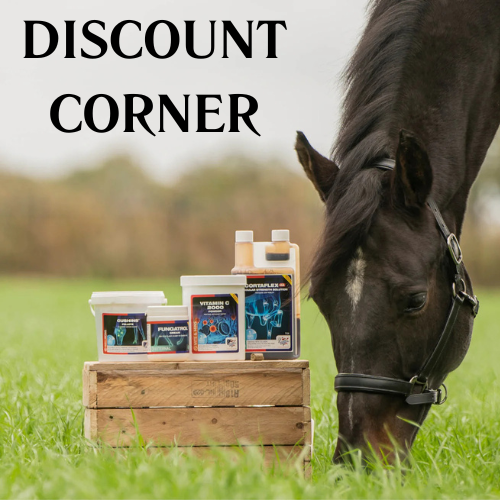
High-quality supplements with a temporary discount, carefully selected for your horse.
-
 On Sale
Fungatrol Plus-Muddy Miracle
Regular price €38,59 EURRegular priceUnit price per€42,88 EURSale price €38,59 EUROn Sale -
Forget Flies Spray
Regular price €37,04 EURRegular priceUnit price per -
Forget Flies In Feed Solution
Regular price €35,51 EURRegular priceUnit price per -
 On Sale
Autumn Care Package
Regular price €105,47 EURRegular priceUnit price per€117,19 EURSale price €105,47 EUROn Sale


Anamnesis-Intake & Interview
Each treatment starts with an extensive interview to get a good picture of the horse and possible complaints. The following aspects are discussed:
✅ Current complaints and performance reduction.
✅ Medical history and previous treatments.
✅ Training intensity, working conditions and management.
✅ Diet and housing.
If, based on this information, there is a suspicion of a more serious condition, the horse will first be referred to a veterinarian.
Static Inspection - Posture & Body Analysis
The horse is observed at rest to gain insight into:
🔹 Posture and weight distribution.
🔹 Muscle development and any asymmetries.
🔹 Swelling, warmth or other external characteristics that may indicate problems.
Dynamic Evaluation - Motion Analysis
The horse is judged in movement at walk and trot, both in a straight line and on a circle. In some cases, an assessment under saddle may be necessary.
Attention is paid to:
🔸 Gait pattern and movement quality.
🔸 Overcompensation or limited range of motion.
🔸 Any irregularities or asymmetries.
If obvious lameness is found that has not previously been assessed by a veterinarian, the horse will not be treated and will be referred first.
Palpation & Functional examination
By means of thorough palpation, various structures of the horse are examined:
✔ Muscle tension, trigger points and adhesions.
✔ Sensitive or painful areas.
✔ Heat differences or swelling.
✔ Mobility and flexibility of joints and tissues
Therapeutic Intervention - Treatment Techniques
Based on the findings from the research, an appropriate treatment strategy is applied. Because every horse is unique, a combination of techniques is usually applied. This way, every treatment is tailor-made for the needs of the horse.
Evaluation - Advice - Guidance
After the treatment the owner receives a personal advice plan, tailored to the findings and needs of the horse. This can consist of:
✅ Targeted exercises and rehabilitation advice.
✅ Stretching routines and warm-up/cool-down recommendations.
✅ Any adjustments in training, nutrition or management.
✅ A treatment plan for any follow-up sessions.
The aim is not only to treat the horse, but also to provide the owner with tools to support the horse's recovery process and performance.

What kind of support does your horse need?
-

Joints
View theme -

Sensitive bowels
View theme -

Sensitive stomach
View theme -

Muscles & Recovery
View theme -

Vitamins & Minerals
View theme -

Hooves
View theme -

Energy & Endurance
View theme -

Tension & Stress
View theme -

Airways
View theme


Recovery at top level!
Reduce pain, accelerate healing and promote relaxation with the power of Centropix Kloud.
Let customers speak for us
Na jarenlang sukkelen met artrose en hernia's deze een weekje geprobeerd. En sinds jaren pijnvrij. Wat een zalig produkt. Ik ben alvast enorme fan 🥰

Zeer tevreden van Caitlin en haar behandelingen en expertise. Ze gaat professioneel te werk en staat open voor alle vragen en denkt goed mee voor oplossingen te vinden voor allerlei problemen! Ook communicatie verloopt zeer vlot. Ik merk elke keer duidelijk een verschil bij mijn paard als Caitlin is langs geweest, een echte aanrader!
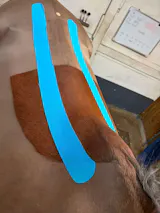
Cailtin is heel rustig en heeft veel geduld ze gaat goed met de paarden om waardoor ze echt tot rust komen en dat levert goede resultaten op! Echt een aanrader!

Caithlin komt al een lange tijd voor mijn paard.
En ik kan maar niet genoeg zeggen wat een top madam ze is! Mijn paard en ik zijn echt zeer tevreden van haar werk, begeleiding en ondersteuning.
Geen enkele vraag is te veel. Ze heeft een luisterend oor en geeft het nodige advies dat voor u paard en uzelf werkt.
Ze heeft haar hart op de juiste plaats en ook enorm veel passie voor wat ze doet.
Ik raad haar 1000% aan ze is een krak in haar vak
Caitlin komt momenteel al een hele lange tijd voor mijn paarden.
En ik kan maar niet genoeg zeggen wat een top madam ze is! De paarden en ik zijn echt zeer tevreden van haar werk, begeleiding en ondersteuning.
Geen enkele vraag is te veel. Ze heeft een luisterend oor en geeft het nodige advies dat voor u paard en uzelf werkt.
Ze heeft haar hart op de juiste plaats en ook enorm veel passie voor wat ze doet.
Ik raad haar 1000% aan ❤️